Key checks for a smooth Hatta mountain trip
Planning a trip to the Hatta mountain area
Hatta mountain Dubai offers a rugged escape from the city, with its dam, heritage village, and outdoor activities drawing visitors year-round. Before you set out, a few practical checks can make the difference between a relaxed day and a frustrating one. This article covers what to look into before you go, so you can focus on enjoying the scenery and activities.
Check the weather and season
The Hatta region sits inland and at a higher elevation than the coast, so temperatures can differ from what you experience in central Dubai. Summer months are extremely hot, with midday sun making outdoor activities uncomfortable. Winter, from November to March, offers cooler conditions ideal for hiking, kayaking, and exploring.
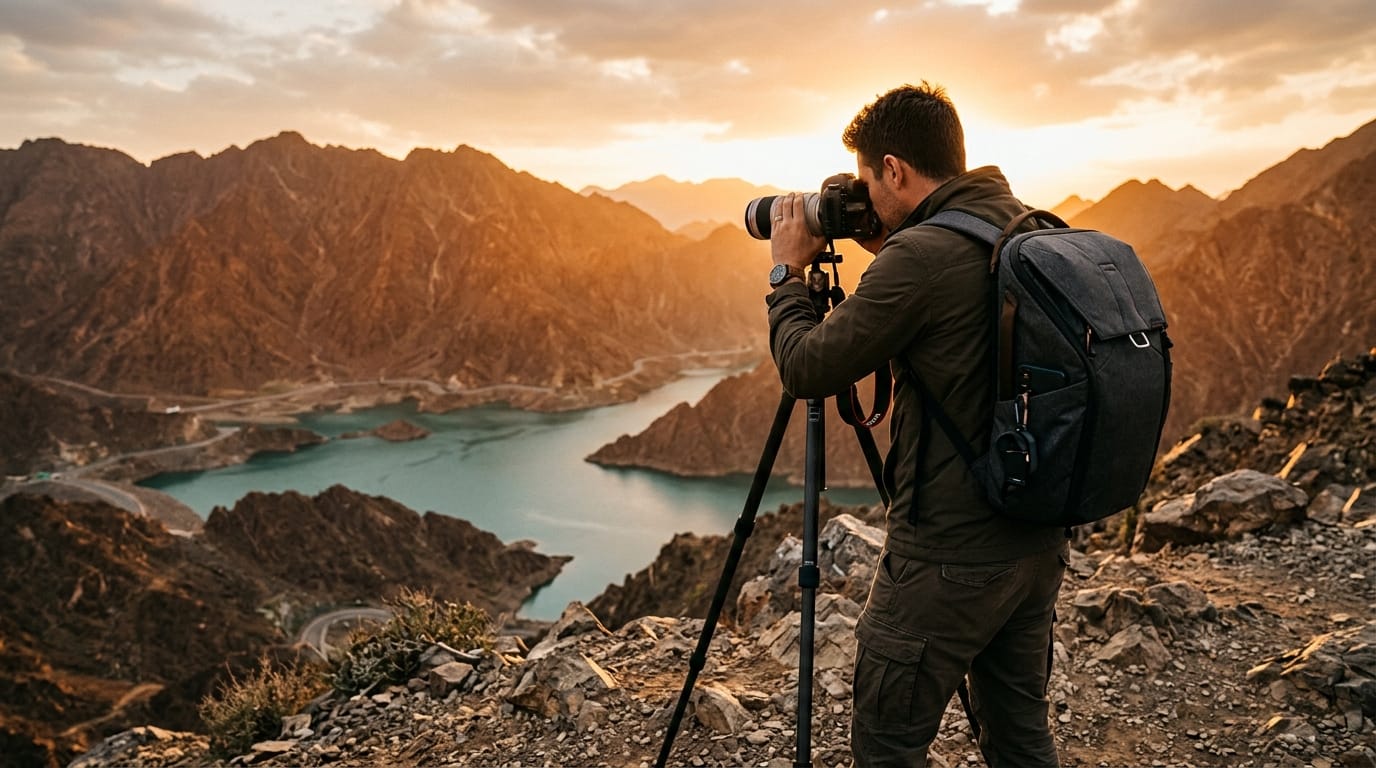
Rainfall is rare but can cause flash flooding in wadis. If you plan to visit the Hatta rock pools or drive into dry riverbeds, check the forecast a few days ahead. A sudden storm can turn a dry wadi into a fast-moving stream, and roads may close. For the most comfortable experience, aim for a winter morning start, when the air is fresh and the light is good for photos.
Vehicle suitability and road conditions
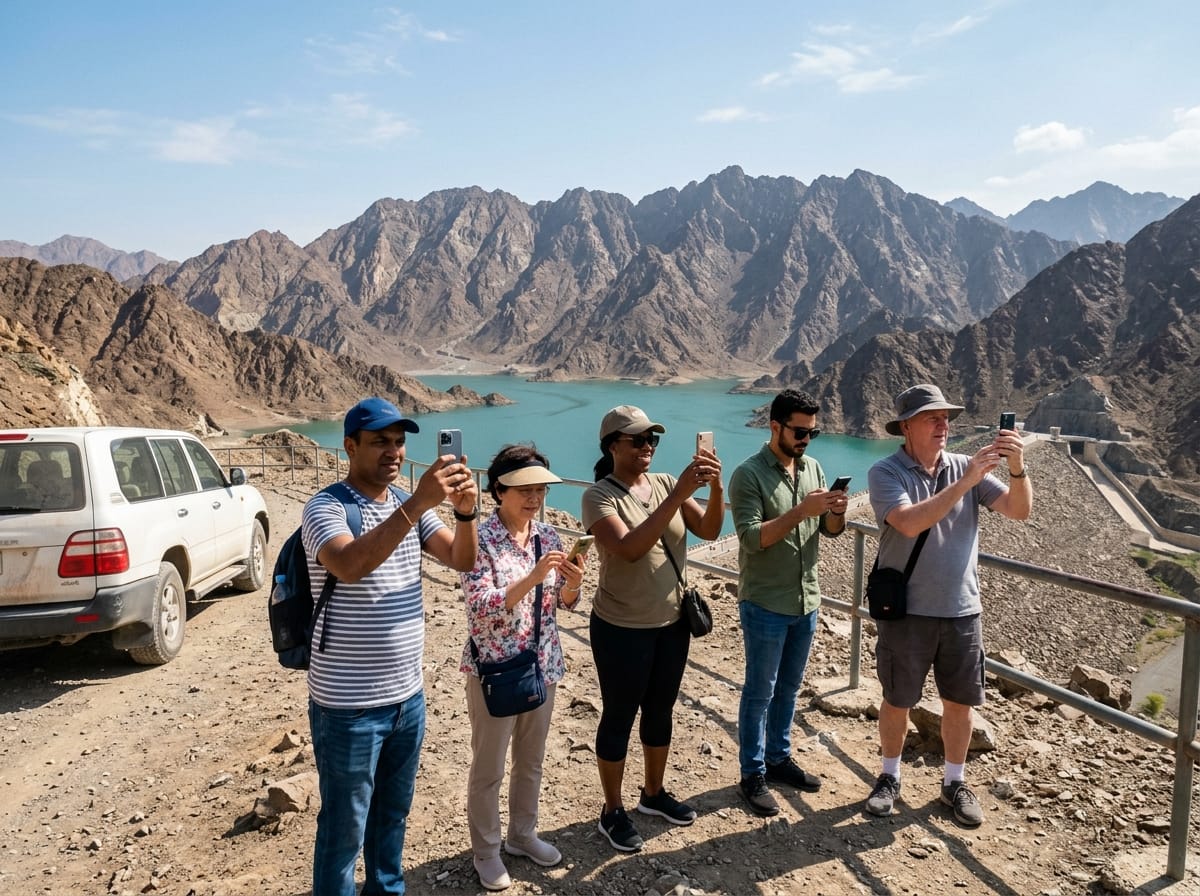
The drive from Dubai to Hatta takes roughly 90 minutes via the E77 highway. Most of the route is sealed road, but the final stretches to certain attractions, such as the Hatta Dam or Hatta Hill Park, involve narrower lanes and occasional unpaved sections. A standard sedan can handle the main roads, but if you plan to go off the beaten track, a 4x4 offers more peace of mind.
Check your vehicle's coolant and tyre pressure before leaving, as the climb into the Hajar mountains puts extra strain on the engine. Fuel stations are limited once you leave the main highway, so fill up before you enter the mountain area. Parking at popular spots like the Hatta Dam and Hatta Heritage Village can fill up on weekends, so arrive early or be prepared to park further away and walk.
Opening hours and entry requirements
Different attractions in the Hatta area operate on different schedules. The Hatta Wadi Hub, a central point for adventure activities, has set opening hours and may require advance booking for certain experiences like the zipline or the mountain bike trails. The Hatta Heritage Village is generally open during daylight hours, but restoration work can close sections without notice.
Check the official websites or social media pages of each venue before you go. Some sites have free entry, while others charge a small fee. If you are visiting during a public holiday or a special event, expect larger crowds and possibly adjusted timings. Planning around these details saves you from arriving to find a locked gate.
What to bring for a comfortable day
The Hatta mountain environment is dry and exposed. Sun protection is essential: a hat, sunglasses, and high-SPF sunscreen. The sun reflects off the water at the dam and off the rocky hillsides, so you can burn quickly even on a cloudy day. Carry at least two litres of water per person, as drinking fountains are rare once you leave the main hubs.
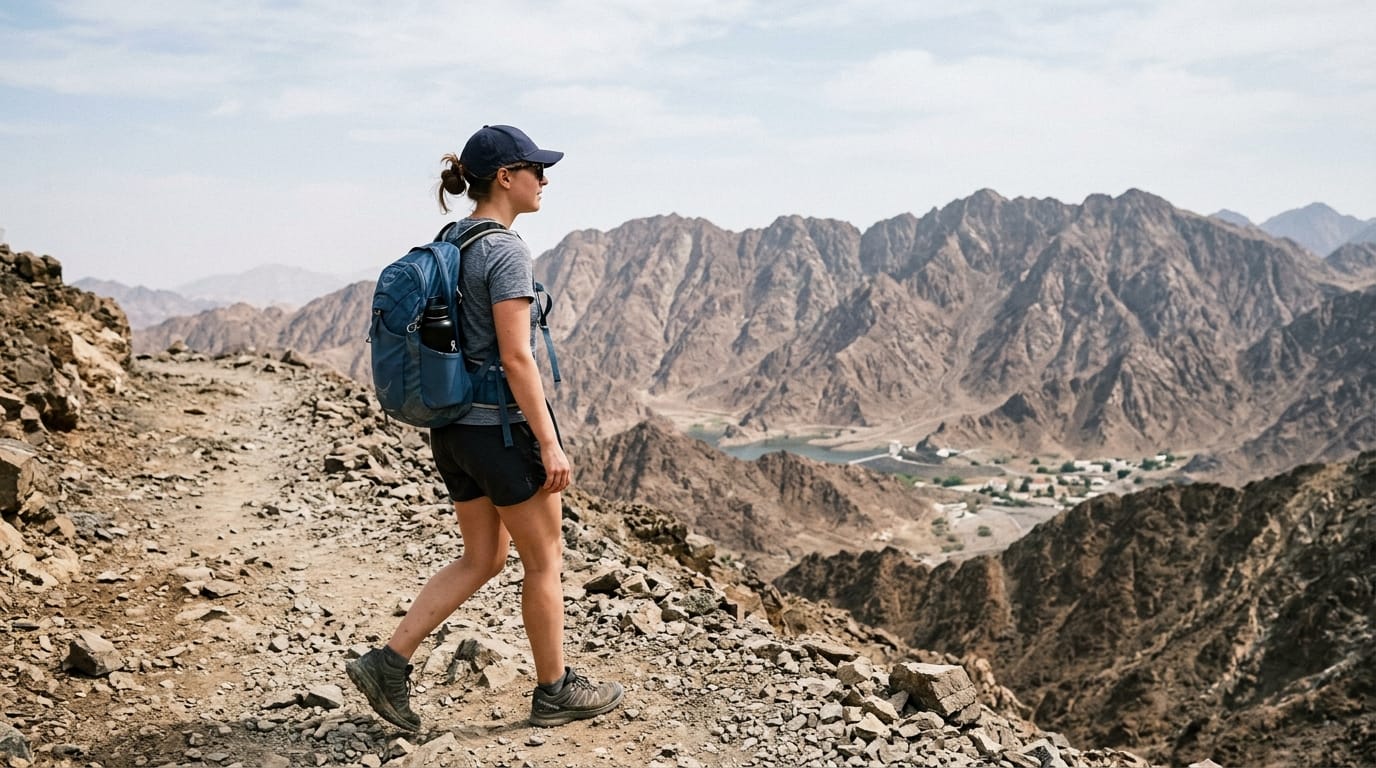
Comfortable walking shoes are a good idea, especially if you plan to explore the Hatta rock pools or walk around the Hatta Fort. The ground is uneven and can be slippery near water. A small first-aid kit, snacks, and a fully charged phone with offline maps are wise additions. Mobile reception can be patchy in the deeper valleys, so download the area map before you set off.
Activity-specific preparations
Kayaking on Hatta Dam
Renting a kayak at the dam is a popular activity, but availability can be limited on busy days. Book online in advance if possible. The water is calm in the morning, and winds usually pick up in the afternoon, making paddling harder. Wear a life jacket and secure your phone or camera in a waterproof pouch. The dam has no shade, so plan your session for early or late in the day.
Mountain biking on the Hatta Mountain Bike Trail
The Hatta Mountain Bike Trail offers routes for different skill levels, from beginner loops to advanced technical sections. If you are bringing your own bike, check that the brakes and tyres are in good condition before the drive. Rental bikes are available at the Hatta Wadi Hub, but it is wise to reserve one ahead of time. Carry a repair kit and know basic trail etiquette, such as yielding to hikers and signalling when passing.
Walking the Hatta Heritage Village and Hatta Fort
The heritage village and fort are largely outdoor sites with some shaded areas. Wear light, breathable clothing and sturdy footwear. The restored buildings and exhibits give a glimpse into the region's past, but there is little shelter from the sun. A wide-brimmed hat and a refillable water bottle will make your visit more pleasant. Photography is allowed, but be respectful of any signs indicating restricted areas.
Food and supplies
Restaurants and cafes in the Hatta area are limited. The Hatta Wadi Hub has a few food outlets, and there are small grocery shops in the town of Hatta itself, but choices are basic. Pack a picnic lunch with plenty of water and snacks, especially if you plan to spend the full day outdoors. Many visitors enjoy eating by the dam or at one of the shaded picnic spots near the heritage village.
If you have dietary restrictions, carrying your own food is the safest option. The local eateries may not cater to specific needs. Dispose of your rubbish properly; the natural environment is fragile, and litter spoils the experience for everyone.
Safety and navigation
The Hatta mountain terrain can be disorienting, especially if you wander off the marked trails. Stick to established paths and avoid hiking alone in remote areas. Let someone know your itinerary and expected return time. A GPS device or a phone with a reliable map app can help you stay on track, but do not rely solely on mobile signal.
Wildlife in the area includes snakes and scorpions, particularly in rocky areas. Watch where you step and place your hands. If you are bitten or stung, seek medical help immediately; the nearest clinic is in the town of Hatta. For serious emergencies, dial 999 or 998 for an ambulance. Having travel insurance that covers mountain activities is a sensible precaution.
If you are considering a guided experience, a reputable operator can handle logistics and safety. One option is to book with Hatta Mountain Tour Dubai, which offers organised trips that take care of transport, permits, and route planning. This can be particularly helpful if you are unfamiliar with the area or want to pack in multiple activities in one day.
Environmental awareness
The Hatta region is a protected area with delicate ecosystems. Stay on designated trails, avoid disturbing wildlife, and do not remove rocks or plants. The Hatta rock pools are a popular swimming spot, but the water is a shared resource; use biodegradable sunscreen and avoid soaps or detergents. Pack out all rubbish, including organic waste like fruit peels, which can take months to decompose in the dry climate.
Fire is a serious hazard in the dry mountain vegetation. Campfires and barbecues are only allowed in designated areas, and even then, check if a fire ban is in effect. Follow local regulations to help preserve the landscape for future visitors.
Final checks before you leave
Before you start the drive back to Dubai, do a quick inventory: have you collected all your belongings, especially phones and cameras near the water? Is your vehicle in good shape for the return journey? If you visited the Hatta Dam, check that you have not left any equipment near the shoreline. A few minutes of checking can save you from a long drive back for a forgotten item.
For a hassle-free day, consider booking a tour that covers transport and entry fees. Hatta Mountain Tour Dubai provides a structured experience that lets you relax and enjoy the scenery without worrying about logistics. Whether you go independently or with a tour, the Hatta mountain area rewards those who prepare well.